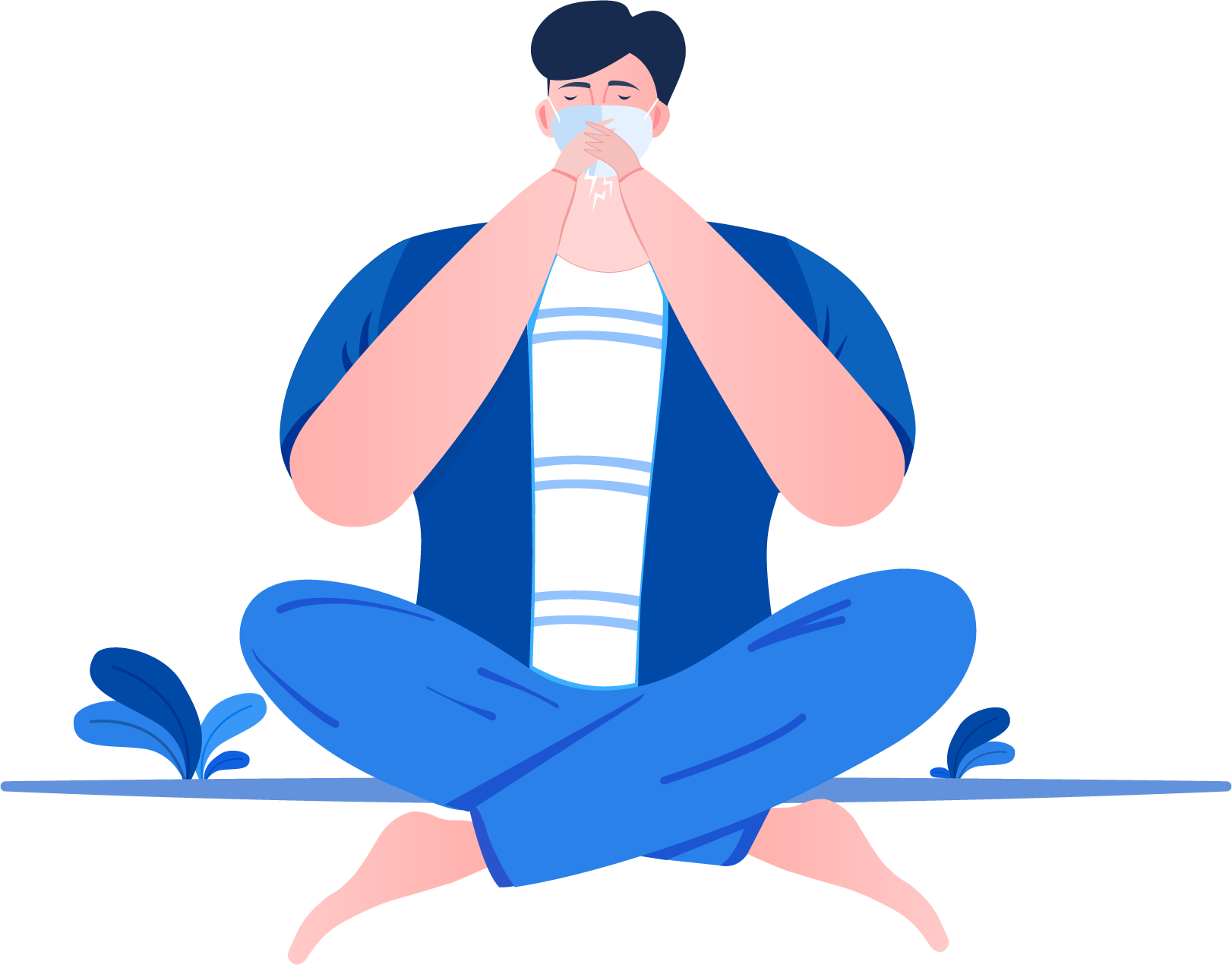
COVID-19 is a new illness that can affect your lungs and airways
Because it's a new illness, we do not know exactly how coronavirus spreads from person to person. Similar viruses are spread in cough droplets.
The most common symptoms of COVID-19 are fever, tiredness, and dry cough. Some patients may have aches and pains, nasal congestion, runny nose, sore throat or diarrhea. These symptoms are usually mild and begin gradually. Also the symptoms may appear 2-14 days after exposure.
The best thing you can do now is plan for how you can adapt your daily routine. Take few steps to protect yourself as Clean your hands often, Avoid close contact, Cover coughs and sneezes, clean daily used surfaces etc. The best way to prevent illness is to avoid being exposed to this virus.
To date, there is no vaccine and no specific antiviral medicine to prevent or treat COVID-2019. However, those affected should receive care to relieve symptoms. People with serious illness should be hospitalized. Most patients recover thanks to supportive care. Antibiotics do not help, as they do not work against viruses. Treatment aims to relieve the symptoms while your body fights the illness. You'll need to stay in isolation, away from other people, until you have recovered.
The most common symptoms of COVID-19 are fever, tiredness, and dry cough. Some patients may have aches and pains, nasal congestion, runny nose, sore throat or diarrhea. These symptoms are usually mild and begin gradually. Also the symptoms may appear 2-14 days after exposure.
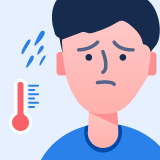
Fever
High Fever
this means you feel hot to touch on your chest or back (you do not need to measure your temperature). It is a common sign and also may appear in 2-10 days if you affected.
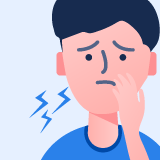
Cough
Continuous cough
this means coughing a lot for more than an hour, or 3 or more coughing episodes in 24 hours (if you usually have a cough, it may be worse than usual).
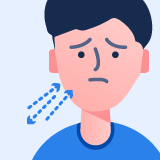
Shortness of breath
Difficulty breathing
Around 1 out of every 6 people who gets COVID-19 becomes seriously ill and develops difficulty breathing or shortness of breath.
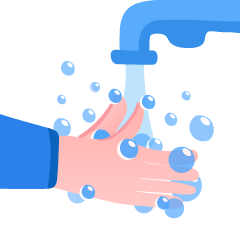
There is currently no vaccine to prevent coronavirus disease 2019 (COVID-19). The best way to prevent illness is to avoid being exposed to this virus. Stay aware of the latest information on the COVID-19 outbreak, available on the WHO website and through your national and local public health authority.
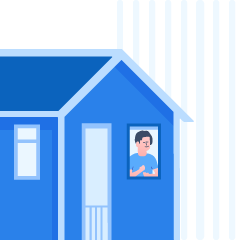
Stay home if you’re sick
Stay home if you are sick, except to get medical care.
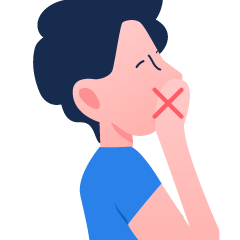
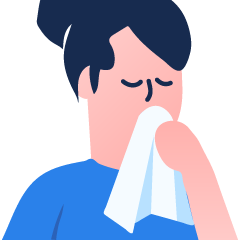
Cover your mouth and nose
with a tissue when you cough or sneeze (throw used tissues in the trash) or use the inside of your elbow.
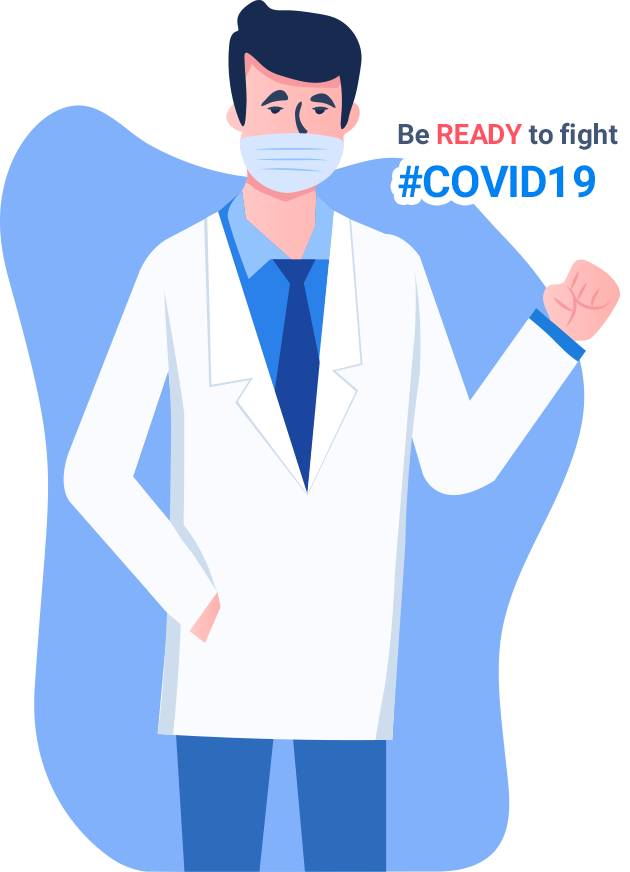
Wear a facemask if you are sick
You should wear a facemask when you are around other people (e.g., sharing a room or vehicle) and before you enter a healthcare provider’s
Clean AND disinfect frequently touched surfaces daily
This includes phones, tables, light switches, doorknobs, countertops, handles, desks, toilets, faucets, and sinks.
Clean the dirty surfaces
Use detergent or soap and water prior to disinfection.
The best thing you can do now is plan for how you can adapt your daily routine. Take few steps to protect yourself as Clean your hands often, Avoid close contact, Cover coughs and sneezes, clean daily used surfaces etc. The best way to prevent illness is to avoid being exposed to this virus.